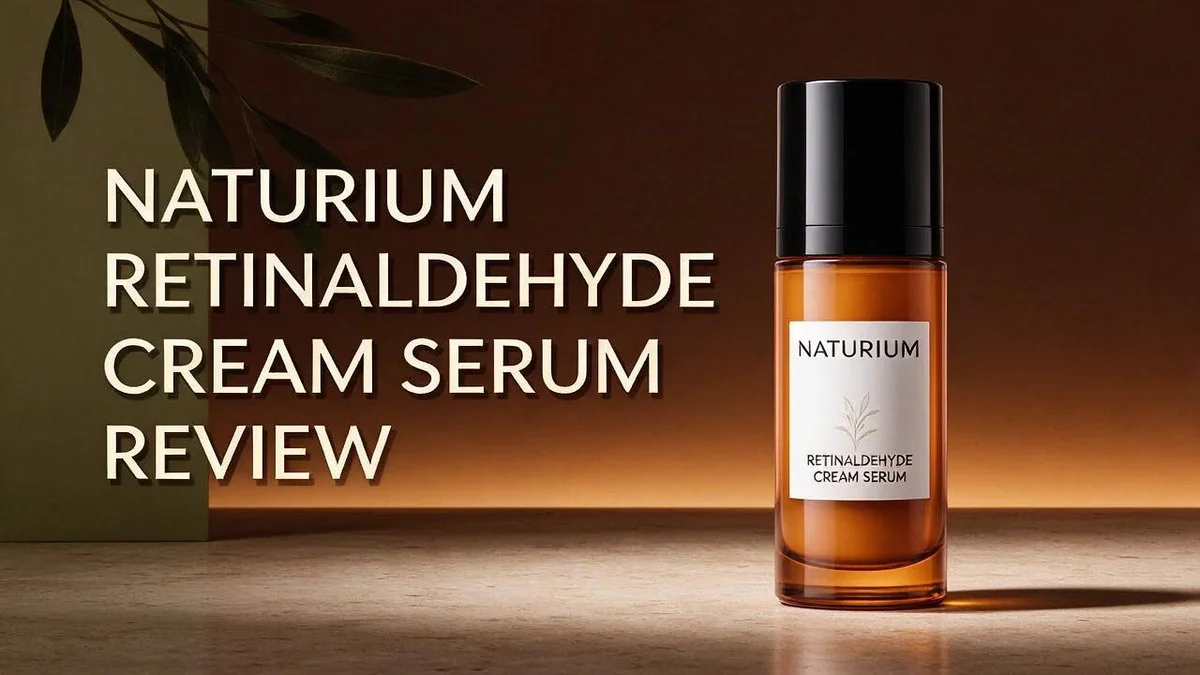
Naturium Retinaldehyde Cream Serum Review 2026: Does It Really Work?
Retinal is one of the most talked about skincare ingredients right now. Naturium Retinaldehyde Cream Serum brings it to your routine in a soft, creamy formula.
The formula pairs retinaldehyde with niacinamide and Centella asiatica. It comes in 0.05%, 0.10%, and 0.15% strengths, so you can pick your level.
Users call it gentle. They say their skin feels softer and smoother. A study summary also reports visible changes in fine lines, texture, pores, and dark spots.
Most of the proof comes from brand copy and user reviews, though. Independent trials are limited.
So does it deserve a spot in your routine? This review covers the formula, the results, and the top alternatives. Let’s dive in.
In a Nutshell
-
Three strengths are available: 0.05%, 0.10%, and 0.15%. Newcomers can start low and move up as their skin adjusts.
-
A cited study summary reports visible improvement in fine lines, hyperpigmentation, texture, and pores. Participants also tolerated the product well.
-
The brand says it helps boost collagen and elastin. That claim fits with the softer, smoother skin many users describe.
-
One user says the encapsulated retinal causes less irritation than standard retinal. Treat this as a personal claim, since no trial confirms it.
-
The 50 ml size (per the Space NK listing) gives you plenty of product for regular use. A little goes a long way on the face.
-
Strong alternatives include SCINIC Cicanoid Retinal Cream, Paula’s Choice 0.1% retinal, and Naturium Retinol Complex Cream. Each one suits a slightly different skin goal.
Key Ingredients and Strength Options

- ANTI-AGING & SMOOTH: Formulated with an increased level of sustained-release retinaldehyde at 0.10%, Our advanced results-driven serum visibly addresses the look of fine lines, uneven tone and texture. For a more gentle experience, use our 0.05% advanced cream serum
- RESULTS-DRIVEN FORMULA: This potent next-gen retinol directly converts to the strongest form of retinol. Added biofermented oligopeptide actively refines skin texture and enhances radiance for optimal results

Last update on 2026-10-31 / Affiliate links / Images from Amazon Product Advertising API Some of the links on this website are affiliate links, which means that at no additional cost to you, I earn a commission if you click through and make a purchase. I only recommend products and services that I believe will add value to my readers. Thank you for your support!
Choosing the right strength is your first big decision. Think of it as a dial, not a finish line. Start low and let your skin adjust.
Retinaldehyde sits one step closer to its active form than standard retinol. Your skin converts it into retinoic acid, the form that drives results. That shorter path explains why many people notice change at lower percentages.
Niacinamide plays a supporting role. It may calm redness and help the skin barrier stay strong. Pairing it with retinaldehyde can ease the dryness that often comes with retinoids.
Centella asiatica adds a soothing layer. This plant extract is often used to calm irritation after active treatments. It helps balance the formula so the cream feels comfortable on busy days.
Introducing any retinoid needs patience. Use a pea sized amount at night, about three times a week at first. Increase use only when your skin feels calm.
Who should pick the highest strength? People with retinoid experience and resilient skin may handle 0.15% well. Anyone unsure should begin with the lowest option and move up slowly.
Many users follow a simple path. They start with the mildest option for a few weeks. Then they move up once their skin handles nightly use without stinging.
Keep your routine simple while you adapt. Pair the cream with a gentle cleanser and a light moisturizer. Fewer active products lower the chance of stinging and peeling.
Watch for early signs of irritation like redness or flaking. If they appear, skip a night or two. Your skin needs time to rebuild before the next application.
Sunscreen matters every morning. Retinoids can make skin more sensitive to sunlight. Daily SPF protects the results you work hard to build.
Texture and Application
Applying retinal well makes a big difference. Good habits help your skin adjust with less stress.
Start with a small amount. Use a few drops for your whole face. Your skin needs time to adapt, so less is more at first.
Let the cream settle for a minute. Press it gently into your skin. Do not rub hard, since this can irritate the surface.
Layering order matters. Apply it after cleansing and toner. Follow with a light moisturizer to balance the feel.
Begin with two or three nights each week. Increase the frequency slowly. Pause if you notice stinging, redness, or flaking.
Daytime protection is essential. Retinal can make skin more sensitive to sunlight. Use a broad spectrum sunscreen every morning, even on cloudy days.
Keep the rest of your routine simple. Skip strong scrubs, harsh acids, and exfoliating masks in the same week. Your skin will thank you.
The eye area needs a light hand. Apply only a tiny amount near the eyes. Avoid the lip corners and nose edges, where irritation often appears.
Texture guides the application too. Thicker creams sit on the skin longer. Lighter textures blend in fast. Choose a method that suits your skin.
Hydration supports comfort. Drink water and keep your moisturizer close. Dry air can make any flaking feel worse.
Night is the usual time for retinal. Mornings focus on protection instead. This simple split keeps your routine clear.
Patience pays off with this routine. Most people notice changes after several weeks of steady use. Consistency beats intensity every time.
Check your skin each week. Notice how it feels after application. Adjust the amount or frequency if needed. This simple habit keeps your routine on track.
Results and Effectiveness
Most people want to know when changes will appear. Retinal works slowly, so patience matters more than speed. Many users report smoother skin after several weeks of steady use.
Early days can feel different. Some people notice mild dryness or flaking at first.
This often settles as your skin adjusts. Pausing for a day or two can help when this happens.
Most evidence comes from manufacturer copy and user reviews. Independent trials have not confirmed these claims yet. Treat the findings as encouraging signs, not promises.
Your own photos can tell a clearer story. Take a picture in the same light each week.
Compare them after two or three months. This method shows small changes that mirror checks often miss.
Skin feel offers another clue. Users often describe their skin as softer and smoother within a short time. A gentle feel matters too, especially for sensitive types.
Results also depend on daily habits. Sleep, stress, and diet can affect how your skin looks. Keep your routine steady for the best chance at lasting change.
Give the product a fair trial. Many changes take six to eight weeks to appear. Stopping early can hide progress you would have seen later.
A simple log can help you spot patterns. Note any redness, dryness, or calm days. Clear notes make progress easier to measure.
Be honest about your goals. Retinal suits gradual change rather than quick fixes. Setting realistic expectations keeps you motivated and less likely to quit.
Good results come from steady effort, not one big change. Small wins add up across months. Celebrate each step as your skin improves over time.
Talk with a dermatologist if irritation lasts or worsens.
Top 3 Alternatives
Looking for a different retinal option? These three picks can help you reach smoother, brighter skin. Each one brings retinal, a gentle form of vitamin A, to your routine. Read on to find the best fit for your skin.
The Ordinary Retinal 0.2%

- MODERATE-STRENGTH RETINOL FORMULA: Retinol 0.5% in Squalane targets fine lines, wrinkles, and uneven skin texture, offering moderate-strength retinoid support.
- IMPROVES TEXTURE & TONE: Works to even out skin texture and tone, addressing signs of aging such as lines and wrinkles from the loss of collagen and elastin.
Last update on 2026-10-31 / Affiliate links / Images from Amazon Product Advertising API Some of the links on this website are affiliate links, which means that at no additional cost to you, I earn a commission if you click through and make a purchase. I only recommend products and services that I believe will add value to my readers. Thank you for your support!
This serum is a good starting point for beginners. It contains 0.2% retinal in a lightweight base. The texture feels silky and absorbs well. Start with a few drops at night, two or three times a week. Your skin can adjust slowly over time. Always wear sunscreen during the day.
Medik8 Crystal Retinal

- RENEW AND REVIVE. Reveal smoother, youthful skin with Medik8 Crystal Retinal night serum, an advanced face serum and hyaluronic acid serum for face. Formulated with retinaldehyde, hyaluronic acid, glycerin, and vitamin E to reduce fine lines.
- SMOOTH SKIN, SIMPLIFIED. The star of this hydrating serum is Retinaldehyde, a classic form of vitamin A that delivers rapid anti-aging results up to 11 times faster than retinol. This face serum for women and men resurfaces skin for a radiant look.
Last update on 2026-10-31 / Affiliate links / Images from Amazon Product Advertising API Some of the links on this website are affiliate links, which means that at no additional cost to you, I earn a commission if you click through and make a purchase. I only recommend products and services that I believe will add value to my readers. Thank you for your support!
Medik8 Crystal Retinal uses a stable form of retinal that works gently. The formula feels light and sinks in fast. Many people like how it fits under makeup without pilling. Begin with a small amount and increase your use as your skin gets used to it. Patience makes a big difference with retinal products.
SkinCeuticals Retinal 0.3

- TRIPLE-ACTION ANTI-AGING BLEND: This innovative formula combines retinol, bakuchiol (a plant-based retinol alternative), and peptides to stimulate collagen production, visibly reduce deep wrinkles and fine lines, and restore skin’s youthful firmness and radiance.
- CLINICALLY PROVEN, CONSUMER-VALIDATED RESULTS: In panel studies, 94% of users agreed it improved elasticity while 90% agreed it enhanced skin texture, demonstrating real, measurable improvements in resilience and smoothness.
Last update on 2026-10-31 / Affiliate links / Images from Amazon Product Advertising API Some of the links on this website are affiliate links, which means that at no additional cost to you, I earn a commission if you click through and make a purchase. I only recommend products and services that I believe will add value to my readers. Thank you for your support!
This option offers a higher strength for experienced users. It contains 0.3% retinal, so it may suit people who already tolerate retinoids. It can help with fine lines and uneven tone. Use only a small amount at night. Always patch test first to see how your skin reacts.
Each of these serums can support a healthy skin routine. Choose the strength that matches your skin type and experience. Your skin will thank you for a slow and steady approach.
Skin Types and Tolerability
Naturium’s retinaldehyde cream suits many skin types. Oily and combination skin often handle the texture well. Dry skin may need extra moisture alongside it.
Oily skin often copes well with active treatments. Pay attention to shine and any new bumps.
Dry skin may feel tight during the early days, and the skin can look dull before it improves.
Sensitive skin deserves extra care. Users often call this cream gentle. Still, that praise comes from personal experience, not controlled studies on sensitive skin.
A patch test offers a simple safety check. Apply a small dot behind your ear or along your jaw for several nights.
Watch for early signs of irritation. Mild dryness, light flaking, or a warm feeling can appear in the first weeks. Redness that stings or swelling means you should stop using it.
Pause the cream if your skin burns. Wait until the skin feels normal again. Then restart on a lighter schedule.
Those with eczema or rosacea should speak with a doctor first. Active ingredients can flare these conditions.
People with acne need a closer look. Retinoids can help clear pores over time. However, some people break out during the first month as the skin purges.
Darker skin tones deserve attention too. Irritation can sometimes lead to dark marks after healing. Gentle use helps protect your skin from new spots.
Your skin type is only one piece of the picture. Age and climate also shape how your skin responds.
Note any past reactions to acids or strong actives, since they can predict how this cream feels. Keep a short note of each reaction.
Know your skin before you start. Choose a calm period, free of stress or sunburn.
How to Add It to Your Routine
Start with a clean, dry face. Wash gently and pat your skin with a soft towel. Wait about ten minutes before you apply the cream, since damp skin can feel stinging.
Keep your hands clean too. Store the bottle with the cap closed, and keep it away from heat and bright windows. Heat can weaken the formula over time.
Pick a fixed evening slot. Many people forget new habits during busy weeks. Link the step to something you already do, like brushing your teeth, so it becomes automatic.
Avoid stacking strong actives on the same night. Skip scrubs, peels, and exfoliating acids while you adjust. One main active at a time makes it easier to spot what helps.
Hot showers can wake up irritation. Use lukewarm water before bed, then apply the cream once your skin cools down. Gentle habits protect the skin barrier.
Change your pillowcase every few days. Night creams can transfer to fabric, so clean linens support your routine. Fresh cases also limit buildup from oil and dust.
Travel and busy seasons can break routines. Pack a travel size bottle and keep your evening steps the same. Consistency matters more than perfection.
If your skin feels rough, drop back to fewer nights for a week. Then build up again slowly. Small adjustments often bring better comfort than big jumps.
Pay attention to your pillow and sleep position too. Pressure and friction can irritate skin, so sleeping on your back may feel gentler.
Small steps add up. Keep your routine simple, stay consistent, and enjoy the calm ritual at the end of each day.
Evidence Quality and Claims Check
Not every claim carries the same weight. Some statements come from a study summary. Others come from brand copy or personal opinions. Knowing the difference helps you judge what to believe.
The cited study summary sounds promising. It does not say how many people took part. It also does not explain how long they used the cream.
Look closely at the three strengths listed. The research does not say which strength was tested. So you cannot tell if the best results came from the strongest version.
Collagen and elastin claims need extra care. Brands often use these words to sound scientific. Ask whether anyone actually measured collagen in the skin.
The idea that encapsulated retinal feels gentler is one user claim. A single opinion is not proof. Treat it as a hope, not a fact.
The missing cons deserve a closer look. Silence in the sources does not mean the cream has no downsides. Most people simply have not written about them yet.
Try this simple check. Search for independent trials from universities or dermatology journals. If you find none, the evidence is thin.
Compare the claims across brands too. SCINIC, Paula’s Choice, and Naturium’s own retinol cream make different promises. Line up their studies side by side.
Ask the brand for the full study. A real study should list sample size, length, and results. Brands that share details earn more trust.
Watch for vague wording. Phrases like “clinically proven” need proof behind them. Otherwise, they are only marketing language.
Your own judgment matters most. Weigh the evidence, then decide what fits your goals. Clear facts beat flashy labels every time.
Keep your expectations realistic. Strong claims can sound exciting. Calm research often tells the truer story.
Pros and Cons
Pros
- Visible changes reported in fine lines, dark spots, texture, and pores.
- Users say their skin feels softer and smoother.
- Centella asiatica can help calm the skin.
- Niacinamide adds a second skin-friendly ingredient.
- Many people describe the cream as gentle on daily use.
Cons
- Sun protection matters more because retinoids can raise sun sensitivity.
- Many retinoids are not advised during pregnancy or breastfeeding.
- Visible results may take several weeks of steady use.
Who Should Buy It
This cream fits people who already use a retinol product. Experienced users often know how their skin handles a retinoid. That knowledge helps them choose the right strength from the start.
Complete beginners may want a gentler first step. Starting with a lower strength gives the skin time to adjust. Many people move up slowly once their skin feels calm.
Shoppers who find basic retinol too slow may want to compare options. This cream uses a different active, so it can suit people who want variety. Read the label carefully before you decide.
People with dull skin or uneven tone often set brightening goals. This cream targets those concerns, so it may suit them well. Users also describe it as gentle, which can appeal to anyone who wants comfort during daily use.
Who should skip it? People who react easily to new products should patch test first. Anyone with an active rash, broken skin, or eczema should ask a dermatologist before starting.
Readers with combination skin may like testing a small area first. Apply a small amount to the cheek for several nights. This simple test shows how the cream feels on real skin.
Compare this cream with the SCINIC Cicanoid Retinal Cream or the Paula’s Choice 0.1% retinal. Each option suits different comfort levels and skin goals. Pick the one that feels right for you.
Think about your daily habits too. A cream you enjoy using will get used more often. Choose a product that feels pleasant and fits your evening routine.
Your final choice should balance comfort, goals, and skin history. Trust your own experience over bold marketing claims.
Final Verdict
The Naturium Retinaldehyde Cream Serum earns a cautious thumbs up. It looks like a smart option for people who want a step up from basic retinol.
The early signs are good. Users report a gentle feel, and the study summary points to a well tolerated formula.
The proof still has gaps. Most support comes from brand copy and user reviews, so treat the results as encouraging, not final.
Our bottom line: buy it if you want to try retinal without a harsh learning curve. Go in with realistic hopes and a patient mindset.
Here is a simple plan to get the most from it.
Start slowly with a few evenings each week. Add nights as your skin settles. Keep the rest of your routine simple.
Take a quick photo in the same light every month. Photos show slow changes that a mirror can miss.
Think of this cream as a long game. Retinoids reward steady habits, not quick fixes.
Check in after eight to twelve weeks. That timeline gives a fair read on texture, tone, and comfort.
If your skin feels tight, red, or stingy, pause for a few days. Then restart with less product.
Your skin type, climate, and habits all shape the outcome. Two people can use the same jar and see different results.
Be honest about your goals before you commit. A clear goal makes progress easier to judge.
Want a softer route first? The Naturium Retinol Complex Cream from the same brand gives you a familiar starting point. You can move up later.
Final call: this is a worthy cream to try for patient users. Treat it as a solid contender, and let your own skin cast the deciding vote.
Frequently Asked Questions
What is retinaldehyde in this serum?
Retinaldehyde is a form of vitamin A. Your skin converts it into retinoic acid, the active form that supports skin renewal. It takes one fewer conversion step than basic retinol, so it can act more directly.
Should I use this serum in the morning or evening?
Most people use it at night. Retinoids can break down in sunlight, and they can make skin more sensitive to the sun. Apply it after cleansing and before your moisturizer.
Can I mix this serum with other active ingredients?
You can layer it with gentle products like hydrating serums. Avoid using it on the same night as strong acids, such as glycolic or salicylic acid. Use those on different evenings to give your skin a break.
How is this serum different from the Naturium Retinol Complex Cream?
Both come from the same brand, but they use different actives. The Retinol Complex Cream relies on retinol. This serum uses retinaldehyde. If your skin already handles retinol well, this serum offers a new option to try.
Does this serum work for every skin type?
The research does not list any side effects, but most evidence comes from brand copy and user reviews. Watch how your skin responds for the first few weeks. If you notice burning or swelling, stop use and ask a dermatologist for advice.

Hi, I’m Hazel Claire, the voice behind Modern Lens Blog, where I dive deep into the world of Amazon products across every niche imaginable. As a passionate product reviewer and everyday consumer, I test and evaluate everything from tech gadgets to home essentials, beauty products to fitness gear, bringing you honest, first-person insights that matter.