Nightinol Cream Retinol Night Moisturizer Review: Your Complete Guide
Are you tired of waking up to see those fine lines getting deeper every morning? Do you wish there was a magic potion that could turn back time while you sleep? Well, your nighttime skincare routine is about to get a serious upgrade.
The world of retinol night creams has exploded, and today we’re diving deep into one product that’s been making waves: Nightinol Cream Retinol Night Moisturizer.
This isn’t just another face cream promising miracles. This is about understanding what actually works, what science says, and whether your skin will thank you or throw a tantrum.
Key Takeaways:
- Retinol is a proven anti-aging powerhouse that increases collagen production and speeds up cell turnover, making it one of the most effective ingredients for reducing wrinkles and fine lines. Research shows it can dramatically improve skin texture within weeks.
- Nighttime application is crucial because retinol breaks down under UV light and can increase sun sensitivity. Your skin does its best repair work while you sleep, making night creams the perfect delivery system for these active ingredients.
- Start slowly to avoid irritation by applying retinol just two or three nights per week initially. Your skin needs time to adjust to this powerful ingredient, and rushing the process can lead to redness, peeling, and discomfort.
- Combine with moisturizing ingredients like hyaluronic acid and peptides to counteract potential dryness. The best retinol creams include hydrating components that support your skin barrier while the retinol works its magic.
- Results take time but are worth the wait with most users seeing noticeable improvements in 8 to 12 weeks. Consistency matters more than concentration when it comes to retinol success.
- Always wear SPF during the day because retinol increases photosensitivity. This non-negotiable step protects your skin and prevents the sun from undoing all your nighttime efforts.

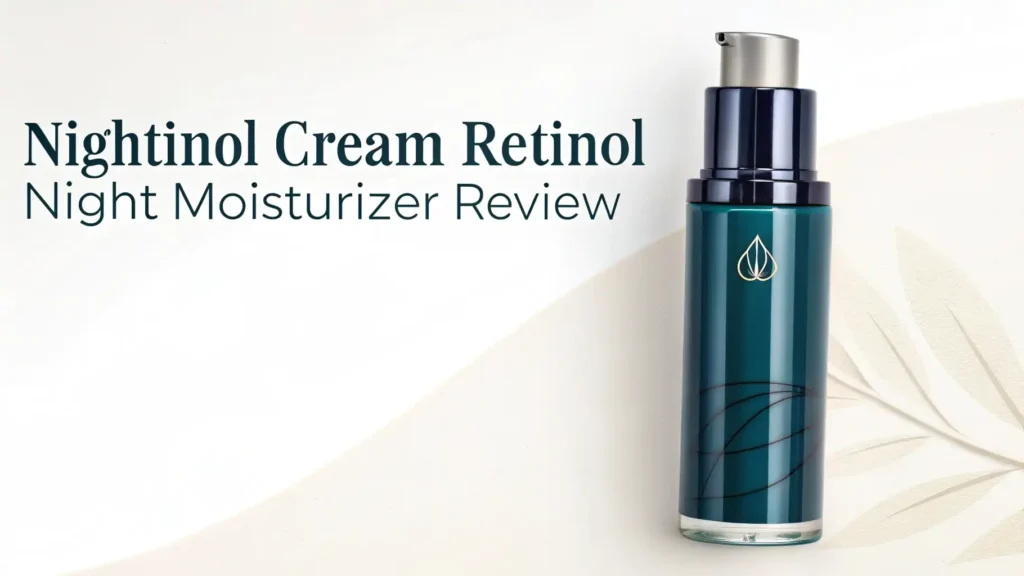
- 2% Retinol Complex – Works overnight to boost collagen, fade dark spots, and smooth fine lines for a youthful, radiant glow—a must-have anti-aging moisturizer for all skin types.
- Deep Hydration & Barrier Repair – Infused with ceramides and amino acids to lock in moisture, strengthen the skin barrier, and prevent dryness—ideal for dry skin, combination skin, and oily skin.
Last update on 2026-07-04 / Affiliate links / Images from Amazon Product Advertising API Some of the links on this website are affiliate links, which means that at no additional cost to you, I earn a commission if you click through and make a purchase. I only recommend products and services that I believe will add value to my readers. Thank you for your support!
What Makes Nightinol Cream Stand Out
Nightinol Cream enters the retinol arena with a 2% retinol complex that promises serious anti-aging results without the pharmaceutical prescription.
This concentration sits in the sweet spot between effectiveness and tolerability. The formula targets multiple skin concerns simultaneously, from wrinkles to uneven texture.
The cream combines retinol with supporting ingredients that work together. You get collagen-boosting benefits alongside skin brightening effects.
The texture absorbs well without leaving that greasy film that makes you want to wash your face again. Many users appreciate that it doesn’t have that strong chemical smell that some retinol products carry.
Understanding Retinol and How It Works
Retinol belongs to the retinoid family, which are derivatives of vitamin A. When you apply retinol to your skin, it converts into retinoic acid, the active form that your skin cells recognize and respond to.
This conversion process is why retinol works more gradually than prescription retinoids but also why it causes less irritation for most people.
The magic happens at the cellular level. Retinol accelerates skin cell turnover, which naturally slows down as we age.
Normally, your skin replaces itself every 28 days in your twenties, but this can stretch to 40 or 50 days as you get older. Retinol speeds this process back up, bringing fresh, healthy cells to the surface faster.
The Science Behind Night Creams
Your skin operates on a circadian rhythm just like the rest of your body. During the day, skin cells focus on protection mode, defending against UV rays, pollution, and environmental stress.
At night, they switch to repair mode. Cell regeneration increases, collagen production ramps up, and your skin becomes more receptive to active ingredients.
This is why night creams differ from day creams. Night formulas are typically richer and contain higher concentrations of active ingredients. They don’t need to worry about sun protection or working under makeup.
Instead, they can focus entirely on repair and rejuvenation. The skin’s permeability also increases at night, meaning ingredients can penetrate more deeply.
Top 3 Alternatives for Nightinol Cream

- OLAY REGENERIST, NEWLY UPGRADED: Now with Triple Collagen Peptide, this clinically-tested face cream for women provides deep hydration with Triple Collagen Peptide and Pro-Retinol, instantly renewing skin brightness for a youthful look. For a limited time, packaging may vary.
- PRO-LEVEL RESULTS WITHOUT ALL THAT IRRITATION: Before considering prescriptions, try this retinol night cream to visibly improve wrinkles in 1 week and improve dark spots in 4 weeks. No Prescriptions. No Downtime.

Last update on 2026-09-12 / Affiliate links / Images from Amazon Product Advertising API Some of the links on this website are affiliate links, which means that at no additional cost to you, I earn a commission if you click through and make a purchase. I only recommend products and services that I believe will add value to my readers. Thank you for your support!

- Nourishing Face Moisturizer - Enhance your anti-aging skincare routine with this moisturizing face cream and facial moisturizer, designed to help your skin feel smooth and refreshed. Collagen supports the look of skin's flexibility while promoting a visibly firmer texture for both face and neck. Enjoy a youthful glow with a gentle solution that provides enduring hydration and care, ideal as a hydrating face moisturizer.
- Advanced Retinol Face Cream - Formulated with a balanced concentration of retinol, this moisturizer promotes a renewed and smoother, refreshed appearance. Hyaluronic acid complements retinol to help maintain hydration, leaving skin feeling soft and nourished without tightness. This product complements your collection of facial skin care products and daily beauty products.
Last update on 2026-06-17 / Affiliate links / Images from Amazon Product Advertising API Some of the links on this website are affiliate links, which means that at no additional cost to you, I earn a commission if you click through and make a purchase. I only recommend products and services that I believe will add value to my readers. Thank you for your support!

- OLAY REGENERIST, NEWLY UPGRADED: Now with Triple Collagen Peptide, this clinically-tested face cream for women provides deep hydration with Triple Collagen Peptide and Pro-Retinol, instantly renewing skin brightness for a youthful look. For a limited time, packaging may vary.
- MAXIMIZED RETINOL FORMULA: Enhanced with 19% more Pro-Retinol and 40% more hydrating ingredients than Retinol24, to visibly repair the appearance of deep set wrinkles. Like Retinol24, it also features Triple Collagen Peptide, 3 powerful antioxidant peptides known to improve wrinkles and support skin's natural collagen.
Last update on 2026-09-12 / Affiliate links / Images from Amazon Product Advertising API Some of the links on this website are affiliate links, which means that at no additional cost to you, I earn a commission if you click through and make a purchase. I only recommend products and services that I believe will add value to my readers. Thank you for your support!
Key Ingredients That Deliver Results
Beyond the star ingredient retinol, effective night creams include supporting players that enhance results and minimize side effects.
Hyaluronic acid is a moisture magnet that can hold up to 1,000 times its weight in water. It plumps the skin and reduces the appearance of fine lines through hydration rather than cellular changes.
Peptides are short chains of amino acids that signal your skin to produce more collagen. They work alongside retinol to maximize firmness and elasticity. Different peptides serve different functions, from smoothing wrinkles to improving skin density.
Niacinamide, also known as vitamin B3, brightens skin tone, reduces inflammation, and strengthens the skin barrier. It plays well with retinol and can actually help reduce retinol irritation.
How to Use Retinol Night Cream Properly
Starting retinol requires strategy, not enthusiasm. Begin with a patch test on a small area of your face for a few days to check for sensitivity.
Once cleared, apply retinol only two to three nights per week for the first few weeks. This gradual introduction, called the retinization period, helps your skin build tolerance.
The application technique matters. Cleanse your face thoroughly and wait until your skin is completely dry. Moisture can increase retinol penetration too much, leading to irritation.
Apply a pea-sized amount to your entire face, avoiding the eye area and lips. Use gentle upward motions to spread the cream. Don’t rub aggressively.
Expected Results and Timeline
Patience is essential with retinol. Unlike Instagram filters, retinol works gradually but delivers lasting results. In the first two to four weeks, you might actually see your skin look worse before it looks better.
This purging phase brings underlying congestion to the surface faster than normal. Your skin may also experience dryness, flaking, or redness as it adjusts.
By weeks four to eight, the adjustment phase typically ends. Your skin starts looking brighter and feeling smoother. Fine lines may appear softer as hydration improves and cell turnover accelerates.
The texture becomes more refined as dead skin cells shed more efficiently. After 12 weeks, the real transformation becomes visible. Deeper wrinkles start to soften as collagen production increases.
Potential Side Effects and How to Manage Them
Retinol can cause side effects, especially when you first start using it. Dryness and flaking top the list. Your skin sheds faster than usual, which can create visible peeling.
Combat this by using a rich, gentle moisturizer and potentially applying retinol less frequently. Hyaluronic acid serums add an extra hydration boost.
Redness and irritation occur when retinol is too strong for your skin or applied too frequently. Your face might feel tight, look flushed, or develop a burning sensation. If this happens, scale back usage and consider using a lower concentration.
Buffer retinol with moisturizer to reduce direct contact with your skin. Increased sun sensitivity is inevitable with retinol use. Your new, fresh skin cells are more vulnerable to UV damage. This makes daily SPF 30 or higher absolutely mandatory, not optional.
Who Should Use Retinol Night Cream
Retinol suits almost anyone over 25 who wants to prevent or address signs of aging. Early prevention works better than damage control.
Starting retinol in your late twenties or early thirties helps maintain collagen production before significant loss occurs. You’re essentially slowing down the aging clock.
People dealing with fine lines and wrinkles see excellent results from retinol use. The collagen-boosting effects plump the skin and smooth out creases. Those with sun damage benefit from retinol’s ability to fade dark spots and even out skin tone.
The accelerated cell turnover reveals fresher, more evenly pigmented skin. Acne-prone skin responds well to retinol because it prevents pores from clogging and reduces inflammation.
It’s particularly effective for adult acne that doesn’t respond to traditional teenage acne treatments.
Comparing Price Points and Value
Nightinol Cream sits at a premium price point compared to drugstore retinol options but costs significantly less than luxury department store brands.
The question becomes whether the price matches the performance. Budget retinol creams often use lower concentrations or less stable forms of retinol, which means slower or less dramatic results.
Mid-range products like many Amazon best-sellers offer good value. They typically include quality retinol at effective concentrations plus beneficial supporting ingredients.
These products balance affordability with performance. Premium retinol creams justify higher prices through research-backed formulations, patented delivery systems, and luxury textures. They often include rare or expensive additional ingredients.
Real User Experiences and Reviews
User feedback provides valuable insights beyond marketing claims. Many Nightinol Cream users report noticeable improvements in skin texture and radiance within the first month.
They appreciate the cream’s absorption rate and lack of strong fragrance. Several reviews mention reduced fine lines around the eyes and mouth after consistent use.
Some users experienced the typical retinol adjustment period with mild flaking and sensitivity during the first few weeks. Most report these effects resolved once their skin adapted.
A common theme in positive reviews is patience. Users who stuck with the product for three months or more saw the most dramatic results. Those who gave up after a few weeks often missed the real benefits.
Negative reviews typically focus on price concerns or unrealistic expectations. Some users expected overnight miracles and felt disappointed by the gradual improvement process. Others with very sensitive skin found even the introductory phase too irritating.
Building Your Complete Nighttime Routine
Retinol works best as part of a complete skincare routine, not as a standalone product. Start with a gentle, non-foaming cleanser that removes makeup and impurities without stripping your skin.
Harsh cleansers compromise your skin barrier, making retinol irritation more likely. Pat your face dry completely and wait five to ten minutes before applying retinol.
Apply your retinol cream as directed, using a pea-sized amount for your entire face. Remember to avoid the eye area unless using a specific eye retinol product. Wait another 10 to 15 minutes for absorption.
This waiting period prevents diluting the retinol when you apply subsequent products. Next, layer on a rich moisturizer to seal in the retinol and provide hydration. Look for ingredients like ceramides, hyaluronic acid, and niacinamide.
Your morning routine becomes equally important when using retinol. Cleanse gently, apply antioxidant serums like vitamin C, moisturize, and finish with broad-spectrum SPF 30 or higher.
Storage and Product Longevity
Retinol is notoriously unstable and degrades when exposed to light, air, and heat. Proper storage maintains product effectiveness and extends shelf life.
Keep your retinol cream in a cool, dark place away from bathroom humidity and window sunlight. A bedroom drawer or cabinet works better than bathroom counters where temperature and moisture fluctuate.
Opaque packaging protects retinol from light degradation better than clear containers. Pump bottles or tubes preserve the formula better than jars because they minimize air exposure.
Every time you dip fingers into a jar, you introduce bacteria and oxygen that compromise the product. If your retinol comes in a jar, use a clean spatula rather than your fingers.
Most retinol products remain effective for six to 12 months after opening. Check the PAO symbol on the packaging, which shows a number inside an open jar icon indicating how many months the product lasts after opening.
Signs of degradation include color changes, usually turning yellow or brown, and separation of the formula. Strange odors also indicate the product has gone bad.
Addressing Common Misconceptions
Many myths about retinol create unnecessary fear or unrealistic expectations. Let’s clear up the confusion. Myth: Retinol thins your skin.
Reality: Retinol actually thickens the deeper layers of skin by boosting collagen while thinning the dead surface layer through exfoliation. This makes skin healthier and more resilient, not weaker.
Myth: You should only use retinol when you see wrinkles. Reality: Prevention works better than correction. Starting retinol in your late twenties or early thirties prevents collagen loss before significant wrinkles form. Think of it as a preventive measure, like using sunscreen before getting sunburned.
Myth: Higher percentages always work better. Reality: More isn’t always better with retinol. Higher concentrations increase irritation risk without proportionally increasing benefits. A 0.5% retinol used consistently often delivers better results than a 2% used sporadically because irritation forces breaks in application.
Myth: You can’t use retinol on sensitive skin. Reality: Sensitive skin can use retinol with proper introduction and buffering techniques. Start with low concentrations, apply less frequently, and use moisturizer before and after retinol to minimize irritation.
Myth: Retinol makes your skin dependent. Reality: Your skin doesn’t become addicted to retinol. If you stop using it, your skin simply returns to its natural aging process. You won’t experience worse aging than if you had never used retinol.
Myth: All retinoids are the same. Reality: Retinoid is an umbrella term covering various vitamin A derivatives with different strengths and properties. Prescription tretinoin and over-the-counter retinol work differently and at different speeds.
What Are the Main Benefits of Using Nightinol Cream
Nightinol Cream delivers multiple skin benefits through its retinol complex and supporting ingredients.
The primary benefit is wrinkle reduction through increased collagen production. Regular use visibly softens fine lines and makes deeper wrinkles less pronounced. Your skin becomes firmer and more elastic, regaining some of the bounce it had in younger years.
Improved skin texture ranks as another major benefit. The accelerated cell turnover smooths rough patches and refines pores. Your skin feels softer and looks more polished. Makeup applies more smoothly on this improved surface.
Brightening effects occur as retinol fades dark spots, sun damage, and post-acne marks. The even skin tone gives you a radiant, healthy glow that looks natural rather than made up.
How Does Nightinol Cream Compare to Professional Treatments
Professional treatments like laser resurfacing, chemical peels, and microneedling offer faster, more dramatic results than topical retinol.
However, they come with higher costs, more downtime, and greater risks. Laser treatments can address deep wrinkles and significant sun damage in a few sessions but cost thousands of dollars and require healing time.
Chemical peels use high concentrations of acids to remove layers of damaged skin. They work faster than retinol but cause significant peeling and redness for days or weeks afterward. You need multiple sessions for best results.
Microneedling creates controlled injury to stimulate collagen production. Combined with professional-strength retinoids, it delivers excellent results but requires professional application and healing time.
Frequently Asked Questions
Can I use retinol cream every night from the start
No, you should not use retinol every night when starting out. Your skin needs time to adjust to this powerful ingredient. Begin by applying retinol just two to three nights per week for the first few weeks. This gradual introduction helps your skin build tolerance without experiencing severe irritation. After four to six weeks, you can increase to every other night if your skin tolerates it well. Eventually, many people work up to nightly use, but this process takes months, not days.
How long does it take to see results from Nightinol Cream
Most users notice initial improvements in skin texture and brightness within four to eight weeks of consistent use. However, significant changes in wrinkles and fine lines typically take 12 weeks or longer to become visible. The timeline varies based on your age, skin condition, and how consistently you use the product. Younger users with mild concerns may see results faster than mature skin with deeper wrinkles. Remember that retinol works by changing your skin at the cellular level, which takes time.
Can I use retinol cream with other anti-aging products
Yes, but you need to be strategic about combinations. Retinol pairs well with hydrating ingredients like hyaluronic acid, niacinamide, peptides, and ceramides. You can use these products together in the same routine. However, avoid combining retinol with other strong actives like vitamin C, AHAs, BHAs, or benzoyl peroxide in the same application. Using multiple exfoliating ingredients simultaneously causes excessive irritation and compromises your skin barrier.
What should I do if my skin gets irritated
If you experience irritation, take a break from retinol for a few days until your skin calms down. When you resume, reduce the frequency to once or twice per week. Consider buffering the retinol by applying moisturizer first, waiting 10 minutes, then applying retinol over it. This sandwich method reduces the strength of contact with your skin. Make sure you’re using a gentle cleanser and rich moisturizer to support your skin barrier. Add a hydrating serum with hyaluronic acid for extra moisture.
Is retinol safe to use around my eyes
Regular retinol face creams are typically too strong for the delicate eye area. The skin around your eyes is thinner and more sensitive than the rest of your face, making it more prone to irritation. If you want to use retinol near your eyes, purchase a product specifically formulated for the eye area. These products use lower concentrations and include extra moisturizing ingredients to prevent sensitivity. Apply eye retinol products only to the orbital bone area, not directly on the eyelid or too close to the lash line.
Can men use Nightinol Cream too
Absolutely! Skin aging happens to everyone regardless of gender. Men often have thicker skin with more collagen than women, but they still experience wrinkles, sun damage, and loss of firmness with age. Retinol works exactly the same way on male skin as it does on female skin. Men might actually tolerate higher concentrations better due to thicker skin, though individual sensitivity varies. The application method remains identical. Cleanse, dry your face completely, apply a pea-sized amount of retinol, wait, then moisturize. Men should be equally diligent about wearing SPF during the day since retinol increases sun sensitivity.
What happens if I stop using retinol cream
If you stop using retinol, your skin will gradually return to its normal aging process. You won’t experience a rebound effect where your skin suddenly looks worse than before you started. However, you will lose the benefits that retinol was providing. Cell turnover will slow back down to its natural rate for your age. Collagen production will decrease to normal levels. Fine lines that had softened may become more visible again over time. Think of it like going to the gym.

Hi, I’m Hazel Claire, the voice behind Modern Lens Blog, where I dive deep into the world of Amazon products across every niche imaginable. As a passionate product reviewer and everyday consumer, I test and evaluate everything from tech gadgets to home essentials, beauty products to fitness gear, bringing you honest, first-person insights that matter.